Concrete Batching Plant HS Code
Aug 25, 2026
In the export of construction machinery, the HS code (Harmonized System code) is the core basis for customs clearance. Accurate classification directly affects tariff costs, export tax refunds, and customs clearance efficiency. For large-scale complete sets of equipment such as HZS and YHZS series concrete batching plants, due to their characteristics of disassembly, packaging, and multi-component assembly, classification disputes and practical risks are more prominent.
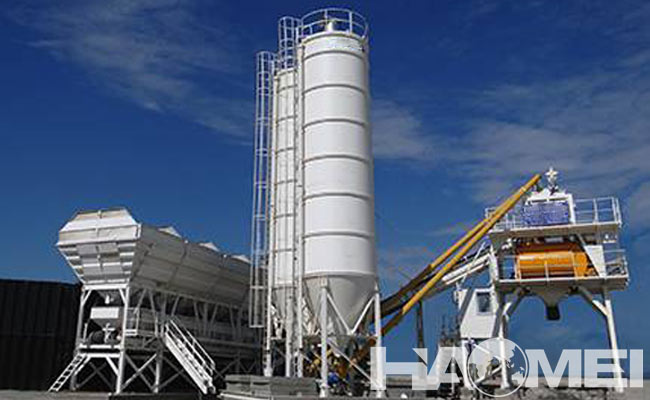
According to the Chinese Customs Import and Export Tariff, the HS code for a complete stationary concrete batching plant is 8474310000, corresponding to the tariff item description "concrete or mortar mixing machinery," belonging to item 8474 under Chapter 84, "Nuclear Reactors, Boilers, Machines, Machinery and Parts Thereof." This category covers mixing equipment for solid minerals such as soil, stone, and ore. Concrete batching plants, with forced mixing as their core function and auxiliary units for batching, metering, and conveying, are classified under the "Concrete Mixing Machinery" category according to the "primary function" principle in the General Rules for Classification. This code applies to all HZS25 to HZS240 series stationary concrete batching plants and is the industry-standard classification.
From a tax rate and regulatory perspective, the policy scope under this code is clear and unambiguous. The most-favored-nation (MFN) tariff rate for imports is 7%, and the general tariff rate is 30%. Exports are subject to a zero-tariff policy, with a current export tax rebate rate of 13%. There are no special customs supervision conditions or statutory inspection and quarantine requirements, and the statutory unit of measurement is "unit/kilogram." When declaring, core elements such as brand type, export preferential treatment status, equipment purpose, brand name, and specific model must be fully filled in. With complete documentation, the customs clearance process is relatively smooth.
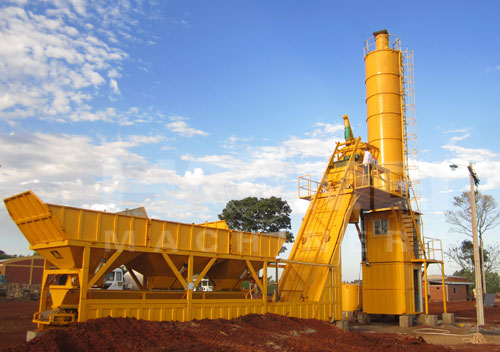
The most common classification risk in practice lies in the declaration and classification of complete sets of components. Concrete batching plants are large in size and are often disassembled into multiple components such as the main unit, powder silos, batching machines, and conveying systems, and then packed into multiple containers for export. Some companies mistakenly classify and declare these disassembled components separately as "mechanical parts," which carries a clear compliance risk. According to the General Rules for Customs Classification, as long as the goods under the same consignee and bill of lading are assembled to form a complete machine, even if transported in disassembled form, they should be classified as a complete machine under item 8474310000. Intentionally splitting the entire plant into parts for separate declaration may be considered a false declaration, leading to inspection, detention, and penalties.
Based on Haomei Machinery's many years of export experience, in addition to the complete machine code, the classification of accessories and consumable parts also needs to be handled differently. Special wear-resistant parts such as mixing unit blades and liners can be classified with the complete machine when exported; spare parts exported separately must be classified under the corresponding parts tariff item according to their specific attributes. Furthermore, while the first six digits of HS codes remain internationally standardized globally, 8474.31 is a universal international subheading. However, the subsequent subheadings vary by country, requiring further confirmation based on the destination country's tariff code before export to avoid classification discrepancies during customs clearance.
Overall, the
HS code for concrete batching plants is not complex, but the margin for error in details is small. Exporting companies should complete full classification confirmation before shipment, ensuring that equipment technical parameters, assembly instructions, and other relevant documents are included with the goods. This guarantees efficient customs clearance, allows full access to export tax rebates, and mitigates unnecessary compliance risks.




 (Chat Online)



